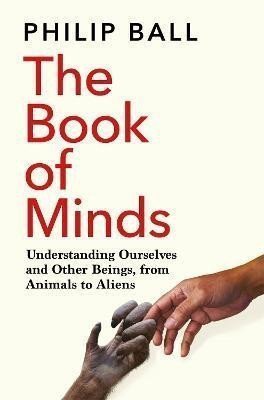
Understanding the human mind and how it relates to the world that we experience has challenged philosophers for centuries.
| Vaše cena |
399,00 Kč |
| Vaše cena bez DPH |
399,00 Kč |
| |
| Dostupnost |
Skladem
2 ks
|
|
Odesíláme
v pondělí
2.3.
|
Podrobný popis
Understanding the human mind and how it relates to the world that we experience has challenged philosophers for centuries. How then do we even begin to think about 'minds' that are not human?Science now has plenty to say about the properties of mind. In recent decades, the mind - both human and otherwise - has been explored by scientists in fields ranging from zoology to astrobiology, computer science to neuroscience. Taking a uniquely broad view of minds and where they might be found - including in plants, aliens, and God - Philip Ball pulls these multidisciplinary pieces together to explore what sorts of minds we might expect to find in the universe. In so doing, he offers for the first time a unified way of thinking about what minds are and what they can do, arguing that in order to understand our own minds and imagine those of others, we need to move on from considering the human mind as a standard against which all others should be measured, and to think about the 'space of possible minds'.By identifying and mapping out properties of mind without prioritizing the human, Ball sheds new light on a host of fascinating questions. What moral rights should we afford animals, and can we understand their thoughts? Should we worry that AI is going to take over society? If there are intelligent aliens out there, how could we communicate with them? Should we? Understanding the space of possible minds also reveals ways of making advances in understanding some of the most challenging questions in contemporary science: What is thought? What is consciousness? And what (if anything) is free will?The more we learn about the minds of other creatures, from octopuses to chimpanzees, and to imagine the potential minds of computers and alien intelligences, the greater the perspective we have on if and how our own is different. Ball's thrillingly ambitious The Book of Minds about the nature and existence of minds is more mind-expanding than we could imagine. In this fascinating panorama of other minds, we come to better know our own.
Bezpečnostní informace
Seznam varování o bezpečnosti knih vychází z požadavků nařízení (EU) 2023/988 o obecné bezpečnosti výrobků (GPSR):
1. Riziko poranění:
a) Zkontrolujte knihu z hlediska ostrých hran nebo sponek, které mohou způsobit poranění. b) Dávejte pozor na obaly z tvrdého papíru, které mohou mít ostré rohy. 2. Nebezpečí požáru:
a) Uchovávejte knihy mimo dosah zdrojů tepla a ohně. b) Vyhněte se ukládání knih na místech vystavených přímému slunečnímu záření, abyste zabránili vznícení. 3. Nebezpečí pro zdraví:
a) Dlouhodobé čtení může vést k únavě zraku, bolestem hlavy a problémům s koncentrací. b) Zajistěte při čtení dostatečné osvětlení, abyste snížili únavu zraku. c) Při čtení pravidelně dělejte přestávky, abyste si uvolnili oči a uvolnili svaly. 4. Nebezpečí pro duševní zdraví:
a) Knihy z některých kategorií mohou obsahovat kontroverzní nebo neslučitelný obsah. Před přečtením si přečtěte názory ostatních čtenářů. b) Intenzivní vstup do světa fantasy, sci-fi nebo hororu může vést k odtržení od reality a problémům s odlišením fikce od reálného světa. c) Obsah některých knih (násilí, krutost, drastické scény) může negativně ovlivnit emocionální zdraví, způsobit stres, úzkost a dokonce i depresi. 5. Nebezpečí pro děti:
a) Malé děti mohou vkládat knihy do úst, což může vést k udušení nebo spolknutí malých prvků. b) Dohlížejte na děti při čtení knih a ujistěte se, že je nevkládají do úst. c) Obsah obsažený v knihách může být vzhledem ke své problematice (násilí, erotika apod.) nevhodný pro děti a mládež. ). Vždy zkontrolujte věkové označení a přizpůsobte čtení věku a zralosti dítěte. 6. Udržování knih v dobrém stavu:
a) Uchovávejte knihy na suchém a čistém místě, abyste zabránili vzniku plísní a poškození způsobenému vlhkostí. b) Vyhněte se ukládání knih na místech vystavených extrémním teplotám a vlhkosti. c) Pravidelně čistěte knihy od prachu a nečistot, abyste zachovali jejich vzhled a trvanlivost. 7. Zdroje informací:
a) Ověřte si důvěryhodnost informací obsažených v knize, zejména pokud je používáte pro vzdělávací nebo profesní účely. b) Věnujte pozornost datu vydání, protože znalosti v některých oblastech se rychle deaktualizují. c) Při používání odkazů nebo internetových zdrojů uvedených v knize buďte opatrní a dodržujte pravidla bezpečnosti na síti. 8. Autorská práva:
a) Dodržujte autorská práva obsahu zpřístupněného v knize.